
Artificial intelligence no longer looks like something distant or experimental. He quietly integrated himself into business processes and began to change the rules of the game, often imperceptibly, but very noticeably. Companies are no longer discussing whether they need AI; they are trying to figure out how to quickly integrate it into operations, analytics, and customer experience. This creates a paradox: more than 70% of organizations recognize the importance of AI adoption, but less than 35% actually use it at scale. This is where the gap forms, which determines the future market leaders.
Operations Are Getting Faster, Solutions Are Becoming More Accurate
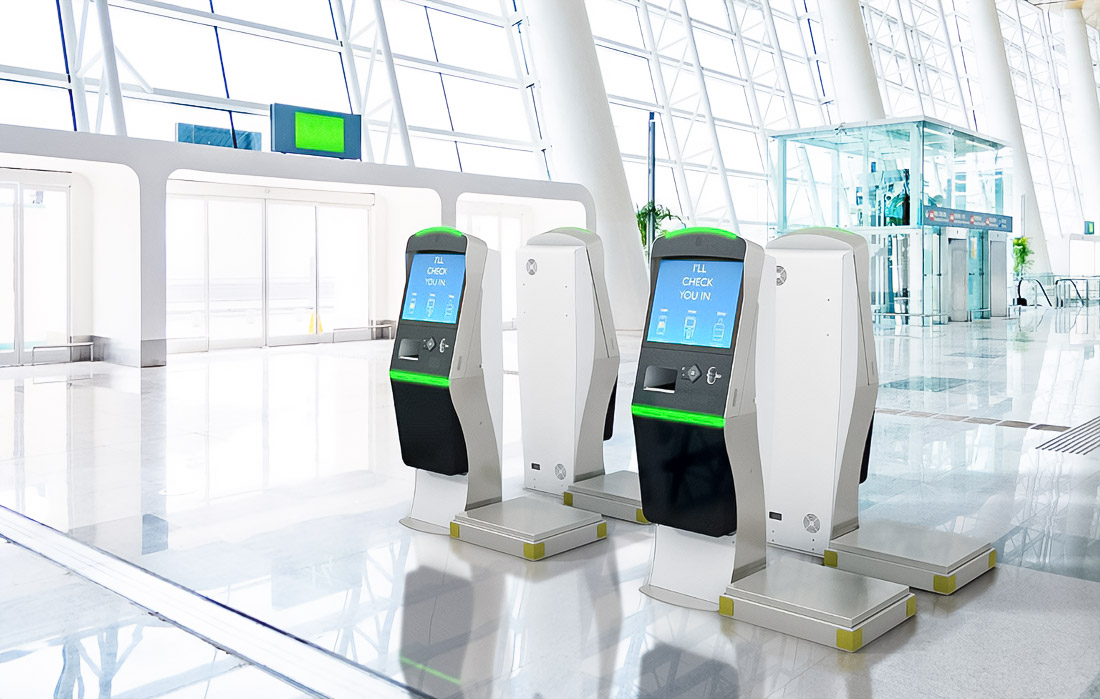
Process automation is no longer limited to basic tasks. Today we are talking about the deep integration of intelligent systems into business operations. Machine learning analyzes data in real time, identifies hidden patterns, and helps you make decisions faster than is possible manually.
In real estate, for example, algorithms evaluate objects based on market dynamics and behavioral patterns. It’s not just analytics, it’s a predictive model that reduces uncertainty. At the same time, automation of lead generation and audience segmentation make it possible to focus only on relevant customers. The result is tangible: up to 30% reduction in the cost of attraction and acceleration of transactions.
The financial sector goes even further. Here, AI is used for compliance monitoring, fraud detection, and risk management. Manual labor is reduced, errors are minimized, and efficiency increases. In some cases, this leads to a reduction in compliance costs of up to 40%, which directly affects operational performance.
Personalization And Customer Experience
The customer experience is no longer based on guesswork. It is formed through a data-driven approach, where every user action becomes part of the analysis. Recommendation algorithms track behavior, adapt, and offer solutions at the right moment.
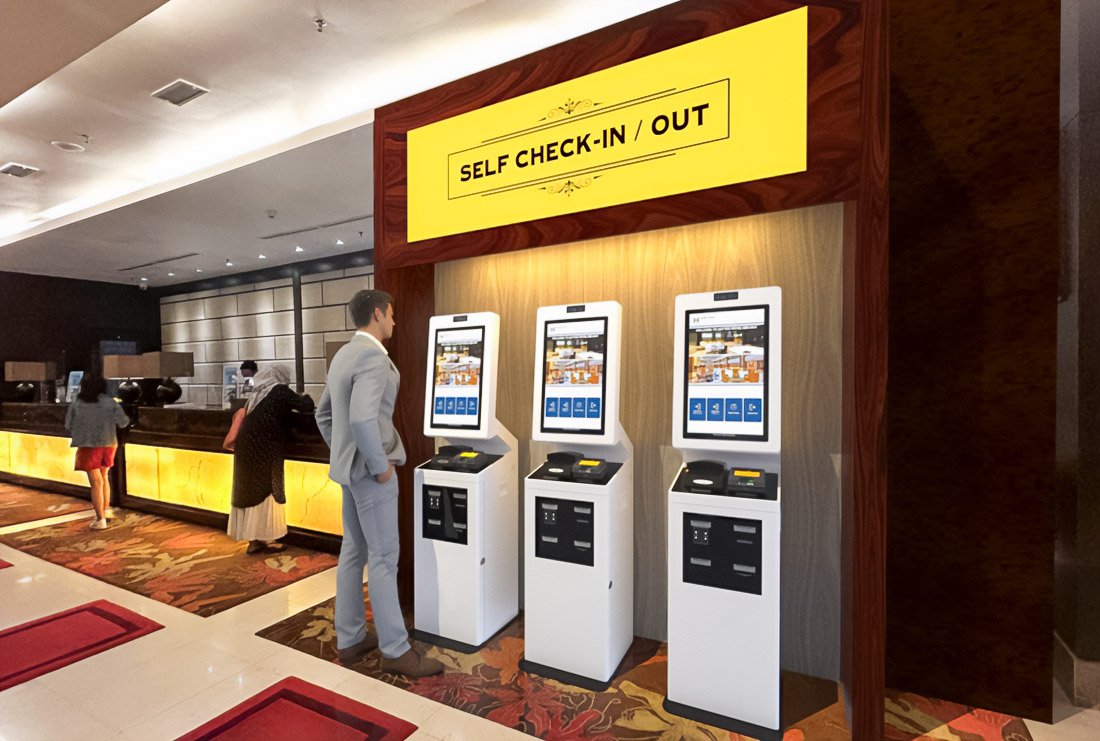
In retail, this is reflected in real-time offers. The user does not see a general catalog, but a personalized set of products. In the hotel business, spot offers are based on previous bookings and preferences, often enhanced through mobile check in hotels capabilities that remove friction from the arrival experience. This increases conversion and reduces inefficient marketing costs.
Conversational AI and chatbots complement this system. They handle up to 60-75% of requests, offloading support teams. But another thing is important: the role of a person does not disappear. She’s transforming. Employees focus on difficult tasks that require empathy and out-of-the-box thinking.
Data, Scaling, And A New Business Model
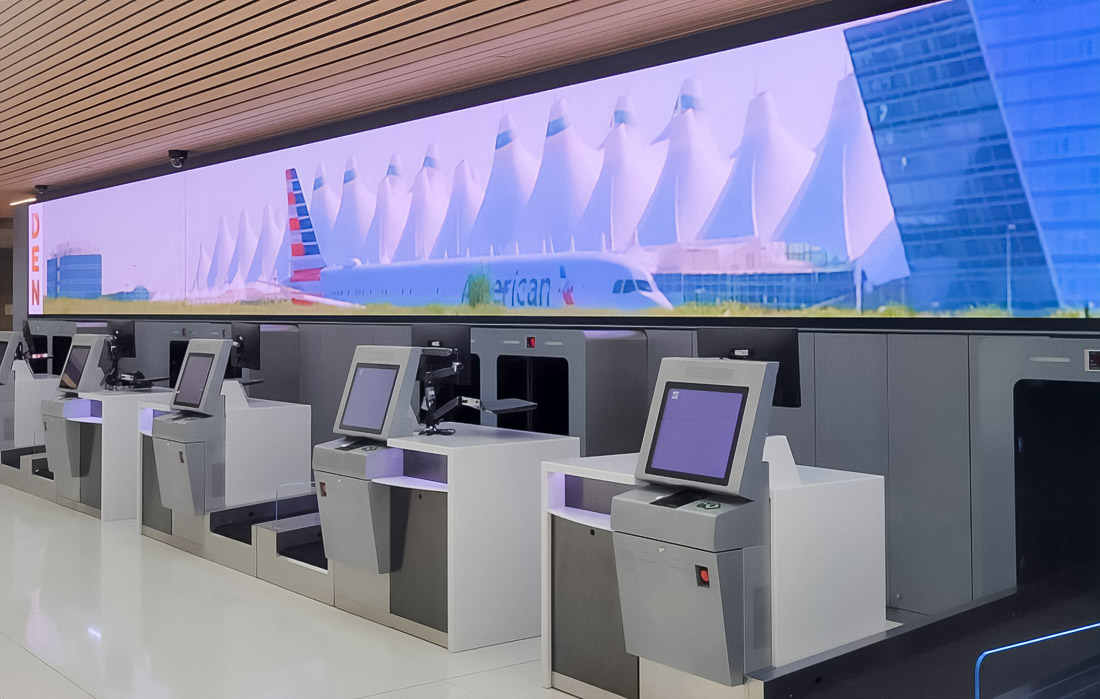
AI does not exist without data. Data management, data governance, and system integration are becoming the foundation. Companies that build this foundation gain access to the true potential of technology. Predictive analytics helps predict demand, optimize supply chains, and manage resources. Generative AI and LLM add new capabilities, from content creation to automation of complex processes. These are no longer just tools, they are elements of a new operating model.
At the same time, scaling becomes a key challenge. The transition from pilot solutions to a full-fledged AI-first strategy requires a systematic approach. Without it, technologies remain fragmented and do not maximize their impact.
Forecasts emphasize the scale of the changes. The conversational AI market exceeds $2.3 billion, and by 2029 the number of AI agents may reach 1 billion. This means that customer interactions, processes, and even the structure of companies will be rebuilt. The result is not obvious only at first glance. Artificial intelligence does not replace business, it enhances it. But it does it unevenly. Those who implement AI deeply and systematically gain a real competitive advantage. The rest keep catching up, sometimes it’s too late.

Skateboarder, foodie, music blogger, International Swiss style practitioner and RISD grad. Acting at the sweet spot between beauty and mathematics to express ideas through design. I prefer clear logic to decoration.