Winter in a region with a mild climate often seems like a safe time to operate a car. There are no severe frosts, no snow or chemicals, and the roads look dry and predictable. That is why many drivers reduce their attention to the technical condition of the car. And that’s why the winter season regularly reveals hidden problems that have been accumulating for months.
Lowering temperatures, morning fog, high humidity, and sudden changes in conditions put strain on key vehicle systems. The car starts operating in a mode other than summer mode. The physical properties of materials, liquids, and electrical components are changing. As a result, the winter period becomes a kind of stress test, which quickly shows how ready the car really is for safe operation.
How Cold And Humidity Affect The Technical Condition

Even moderate air cooling affects the operation of the engine and auxiliary systems. The engine oil becomes more viscous, which makes cold start more difficult. The starter requires more energy, and the battery is less efficient. It is known that when the temperature drops, the battery capacity can decrease by up to 50%, and the battery, which did not cause problems in summer, turns out to be a weak link in winter.
Humidity enhances this effect. Condensation forms in electrical connections, battery terminals, and ignition systems. Any voltage instability is immediately apparent when the engine is started. That is why the number of failures related to the battery and electrical system increases dramatically in winter.
Fluids also respond to seasonal changes. The coolant must maintain stable circulation and protect the engine from overheating and corrosion. A 50/50 mixture is often used, which provides a balance of heat transfer. The brake fluid accumulates moisture over time, and this is especially noticeable in winter. As a result, braking performance decreases and the braking distance increases.
Tires, Brakes And Visibility As Risk Factors
The condition of the tires in winter comes to the fore. Cold air reduces tire pressure, and insufficient pressure impairs traction. This becomes critical on wet asphalt. The minimum allowable tread depth is about 3 mm, and any deviation immediately increases the risk of slipping.
Uneven tire wear, microcracks, and rubber age also play a role. Even in seemingly normal condition, tires can lose elasticity, which impairs the car’s handling. During a technical inspection, it is the tires that often cause failure.
The braking system is under additional stress. Moisture, temperature fluctuations and accumulated wear accelerate the degradation of brake pads and discs. Any extraneous sounds, vibrations, or unstable operation of the brake pedal is considered a serious signal. Such defects rarely go unnoticed during inspection.
Visibility requires special attention. In winter, fog and rain dramatically reduce visibility. Polluted headlights can reduce the brightness of lighting by 30–40%, and worn-out wipers leave streaks and impair road control. Faulty headlights, brake lights or turn signals are one of the most common reasons for non-inspection.
Why Prevention Is More Important Than Repair

Winter technical inspection rarely reveals something unexpected. In most cases, it only captures the consequences of a lack of prevention. A weakened battery, old fluids, worn out tires, and poor visibility all form long before winter.
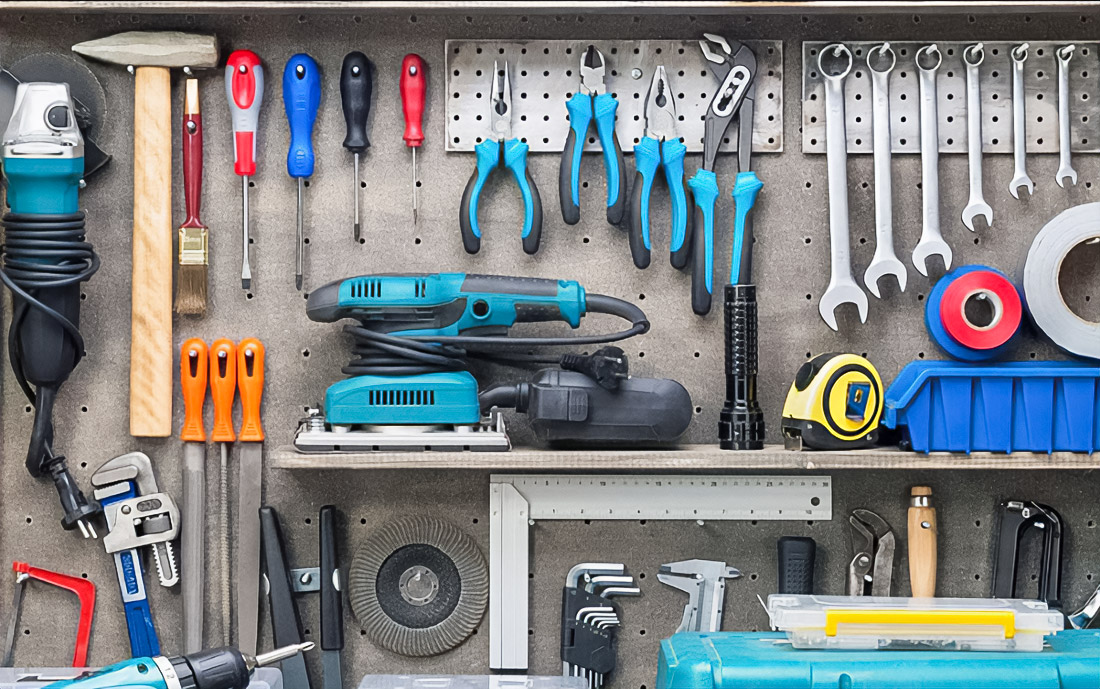
Regular seasonal check allows you to fix problems in advance, often using standard workshop equipment and a basic Power Tool Set to ensure components are properly secured and adjusted. Monitoring tire pressure, battery, brakes, and lighting reduces the risk of failures and accidents. Winter does not create malfunctions, it just makes them noticeable.
The car, prepared for winter conditions, passes the technical inspection calmly. The rest face failures, repairs, and loss of time. That is why winter remains the most significant season for assessing the real condition of a car.

Skateboarder, foodie, music blogger, International Swiss style practitioner and RISD grad. Acting at the sweet spot between beauty and mathematics to express ideas through design. I prefer clear logic to decoration.